Northern Cyprus
The Mediterranean's hidden paradise.
Cyprus has been inhabited for around 10,000 years, and over the millennia Phoenicians, Persians, Assyrians, Egyptians, Alexander the Great, the Ptolemies, the Roman Empire and Byzantium all left their mark. Richard the Lionheart conquered Cyprus in 1191, followed by three centuries of the Lusignan dynasty, before Venice took over in 1489 and the Ottomans in 1571. Britain assumed the administration in 1878, annexed the island in 1914 and made it a crown colony in 1925, before Cyprus became independent in 1960. Since 1974 the island has been divided into a southern and a northern part, and the border between them has been open since 2003.
3 355 km²
Area of Northern Cyprus
~400 000
inhabitants in Northern Cyprus
320
sunny days a year on average
9 251 km²
Cyprus – the Mediterranean's third-largest island
GBP
the currency property is traded in
UK
left-hand traffic, as in the UK
220–240 V
British three-pin sockets
22
international universities
Pictures from the island.
Almost all photos were taken by Gunn herself.
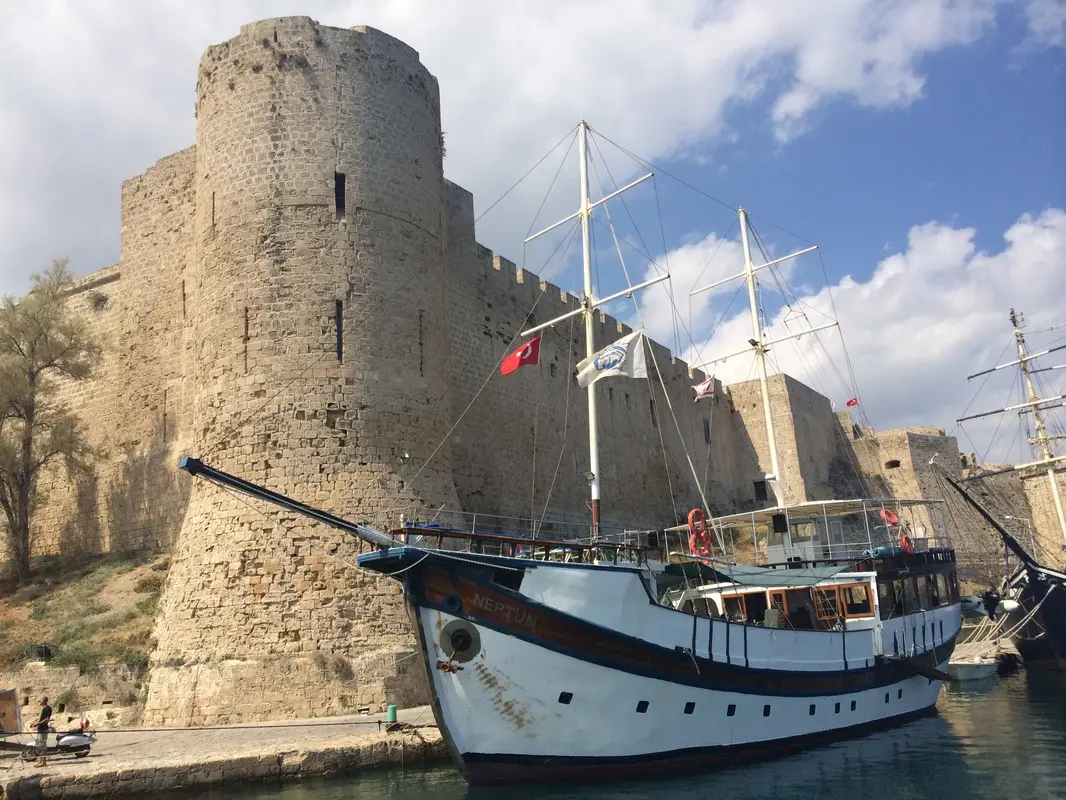
Kyrenia slott
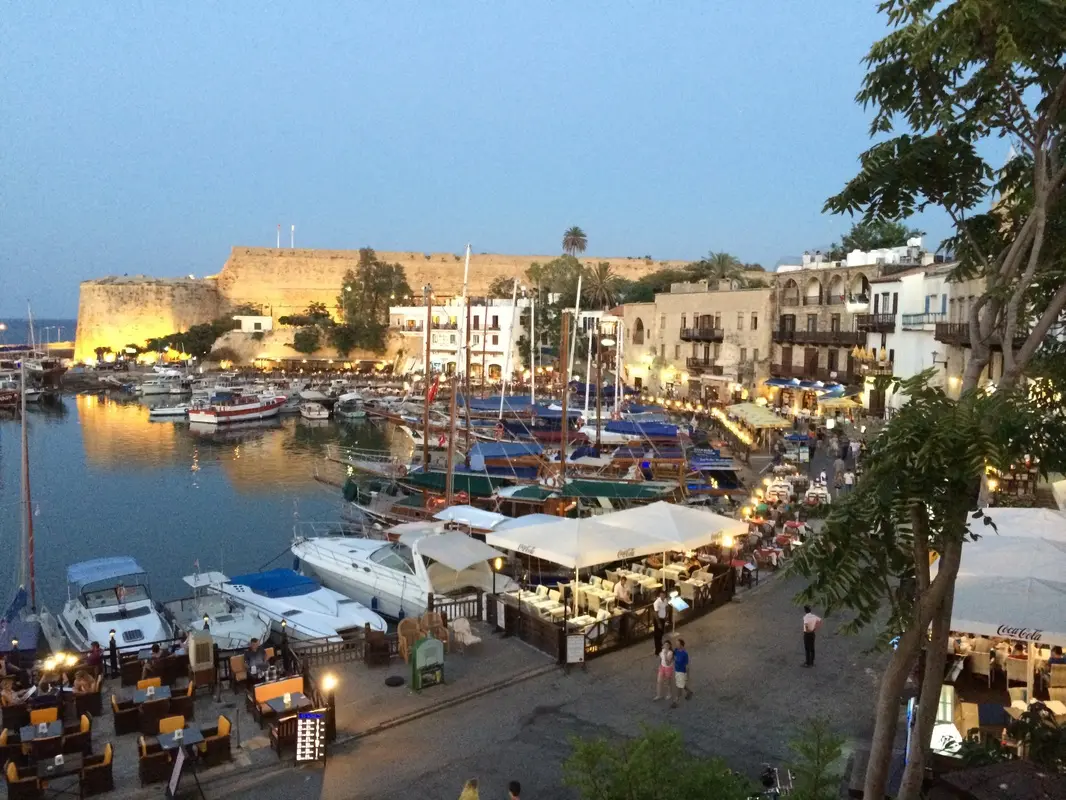
Kyrenia havn
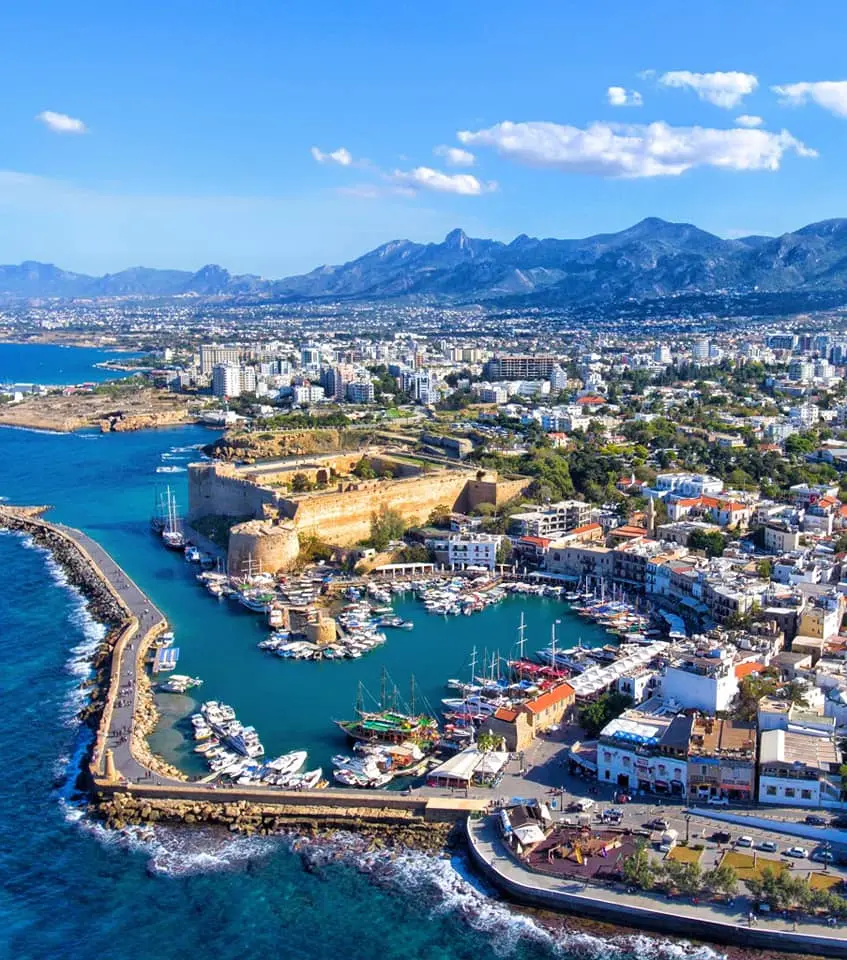
Kyrenia
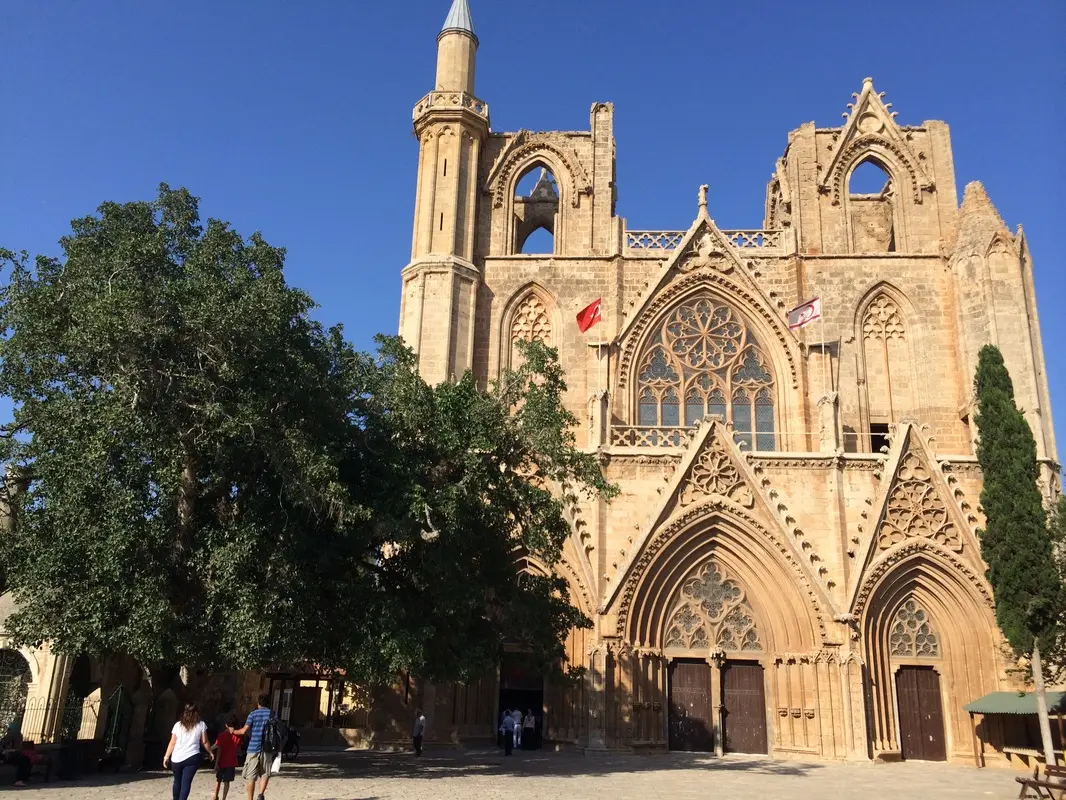
Famagusta
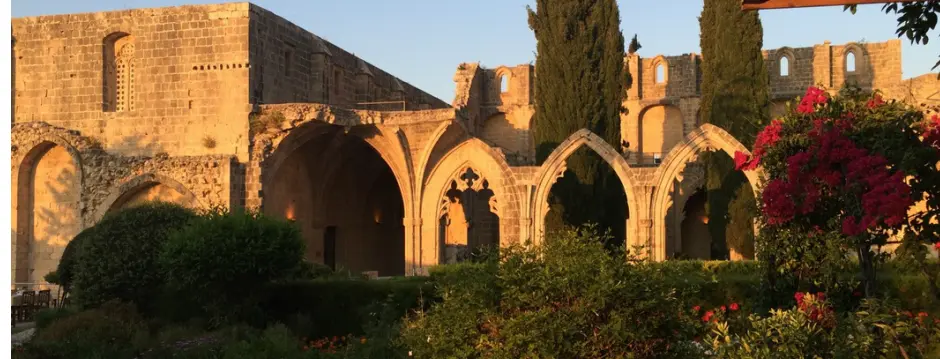
Bellapais kloster
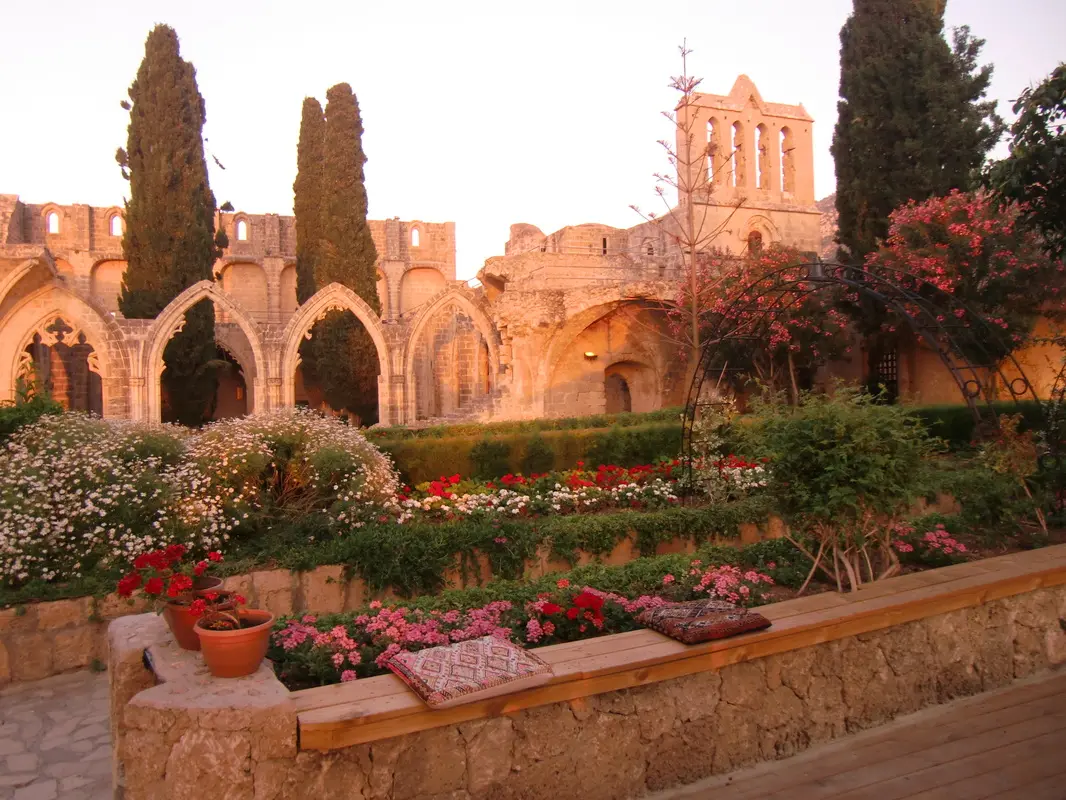
Bellapais kloster
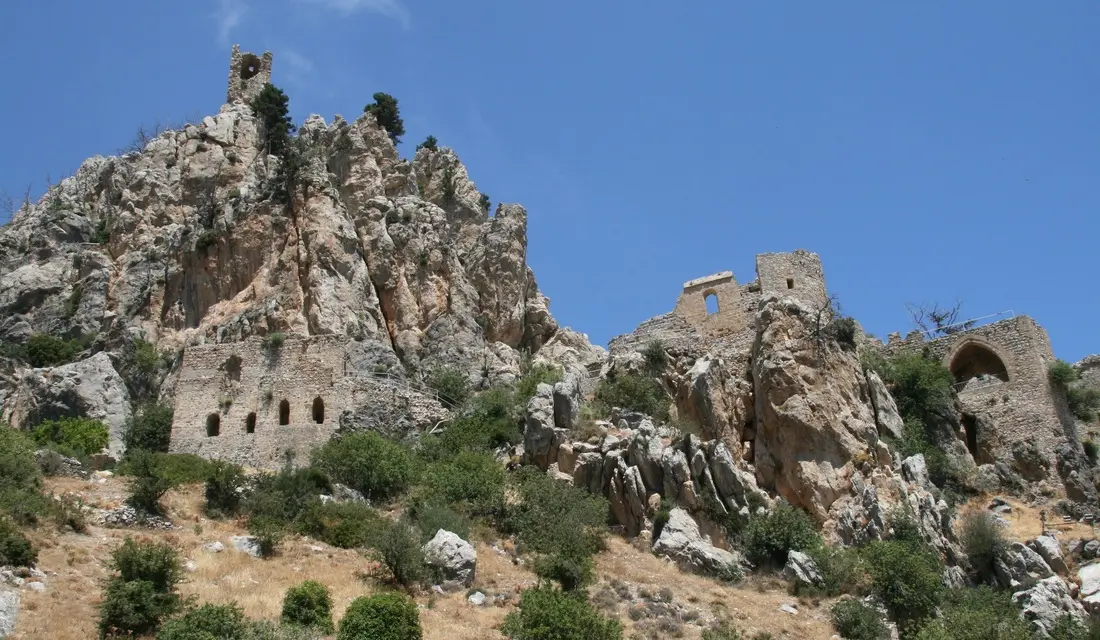
St. Hilarion
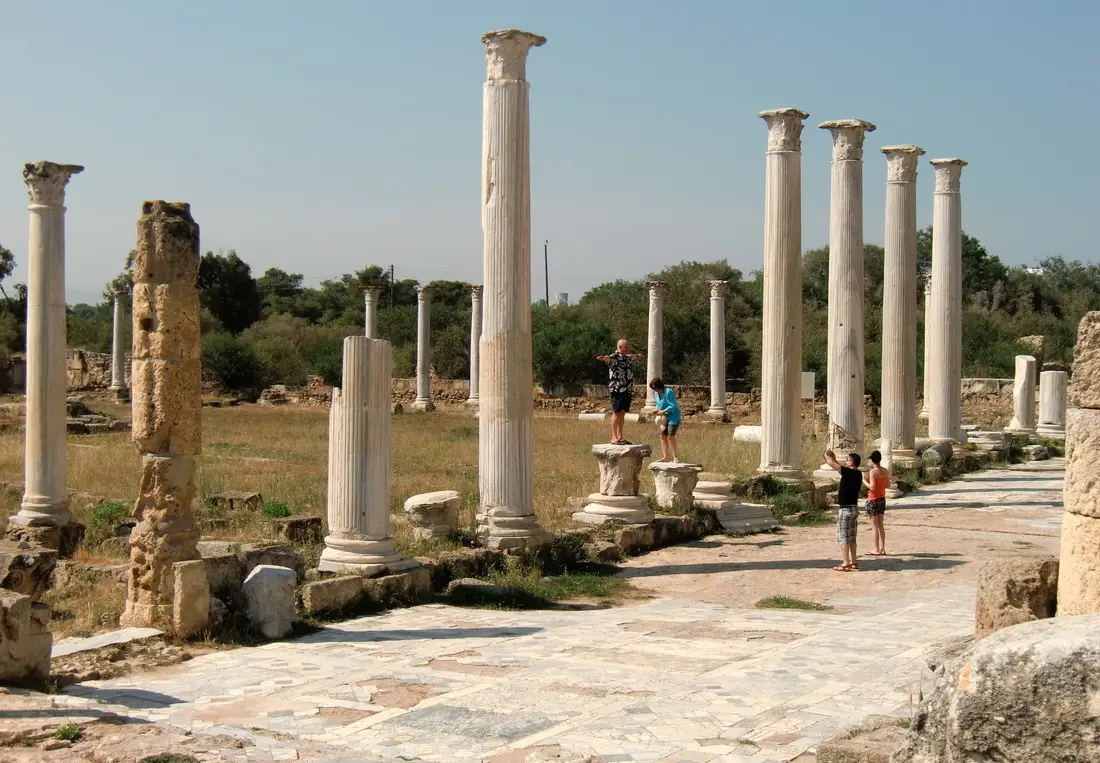
Salamis
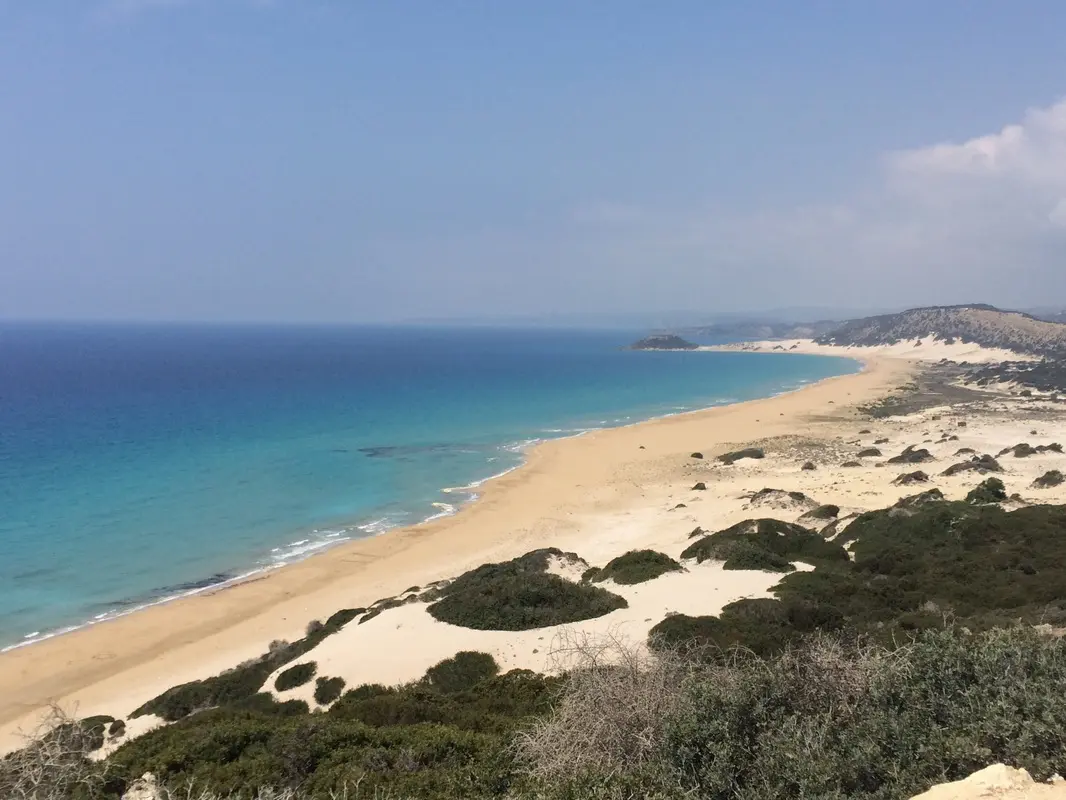
Long sandy beach with dunes and turquoise sea
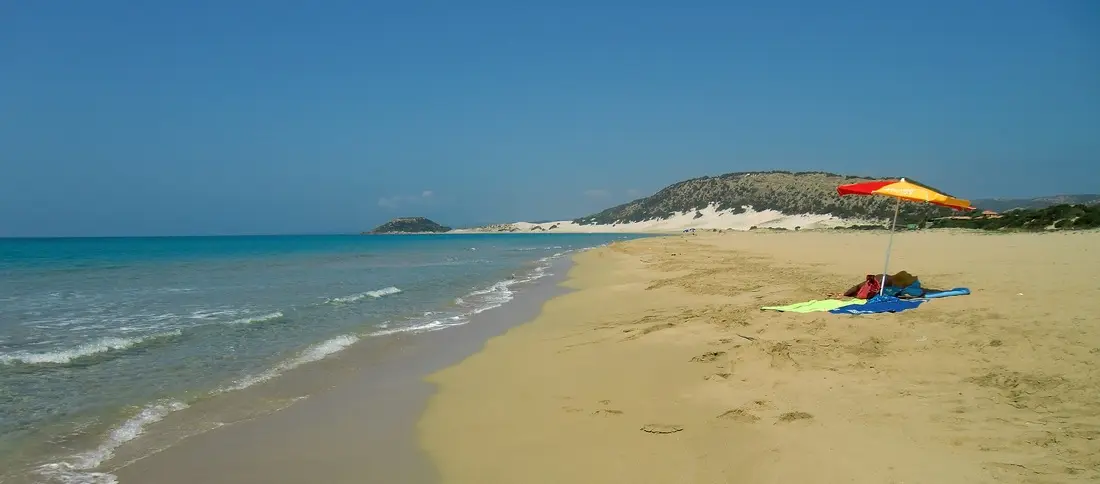
Wide sandy beach by clear water
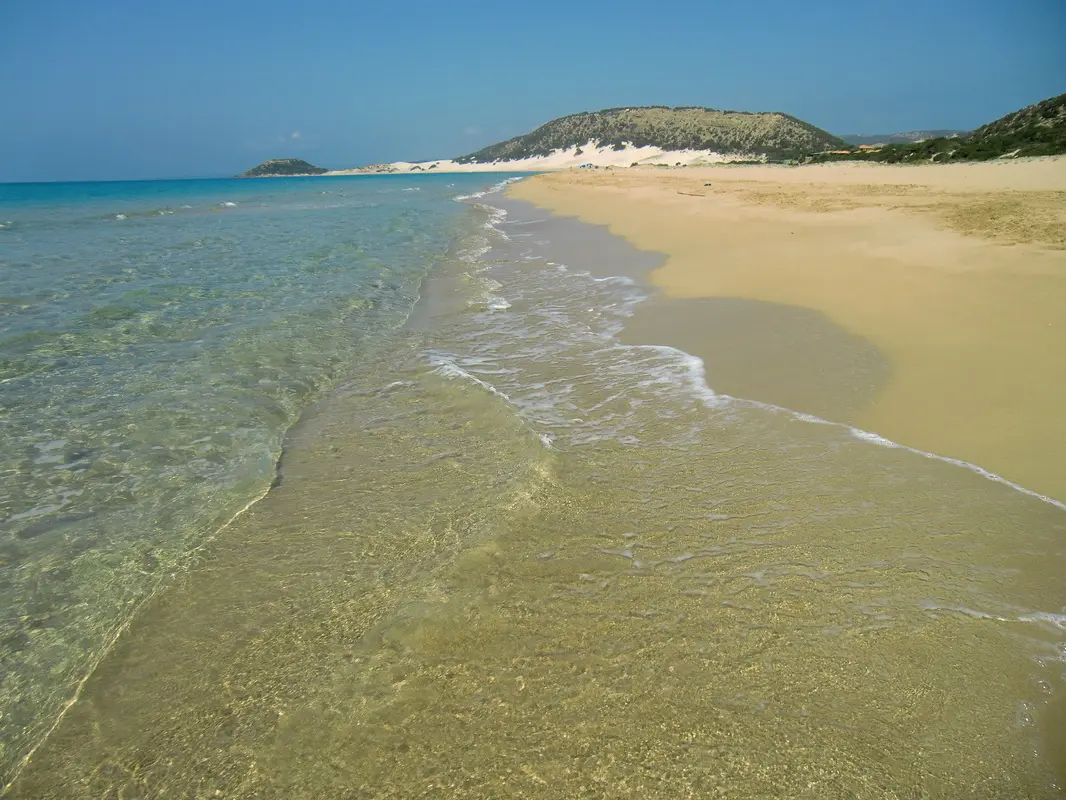
Golden sand and crystal-clear water
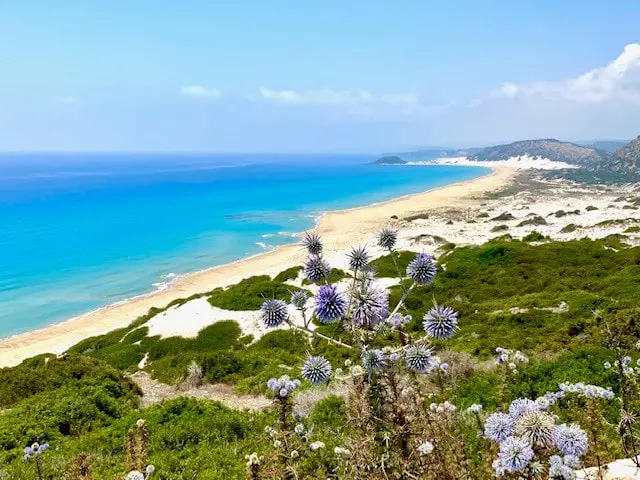
View over the golden beach
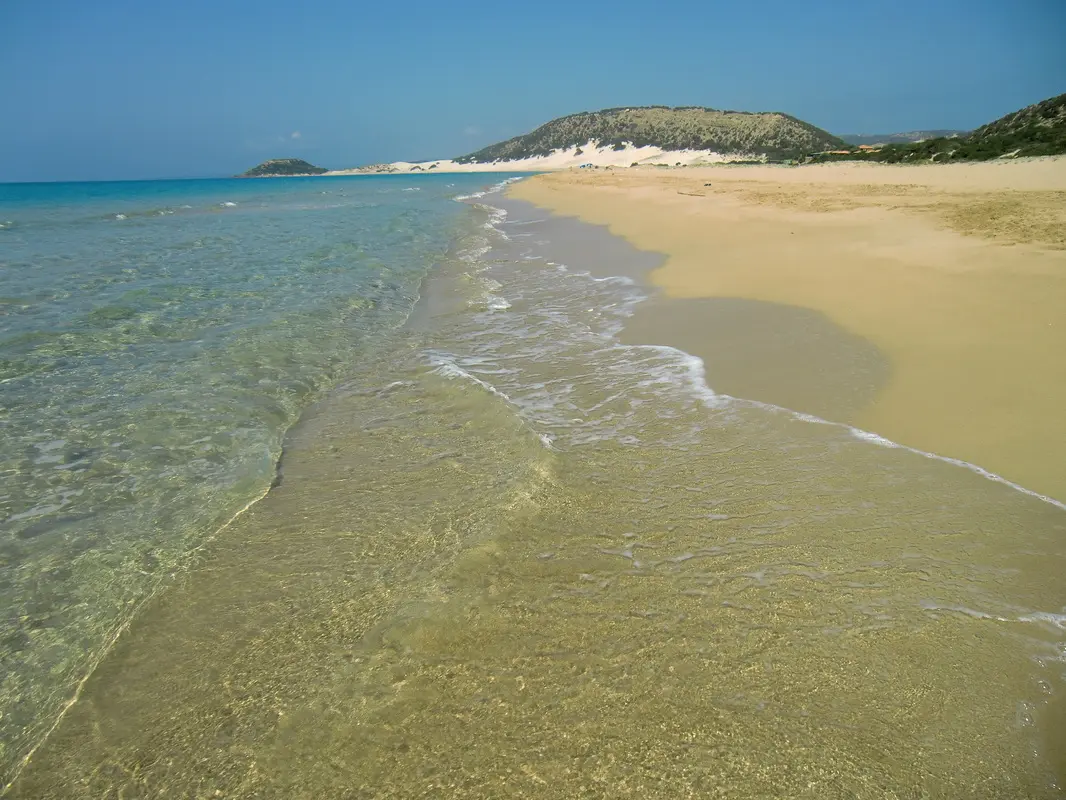
Waves washing onto the sandy beach
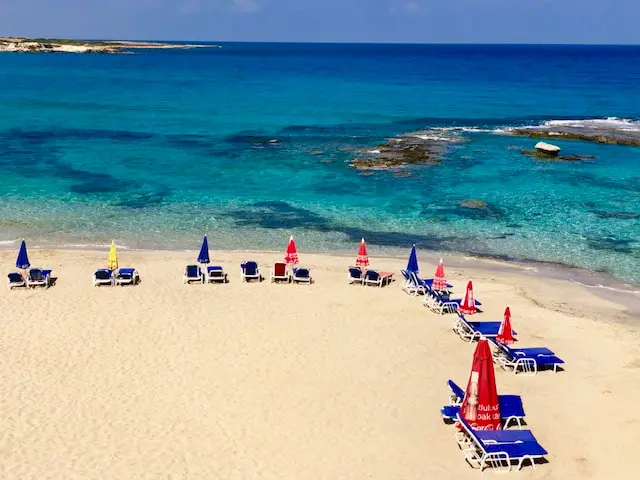
Turquoise water and parasols on the beach
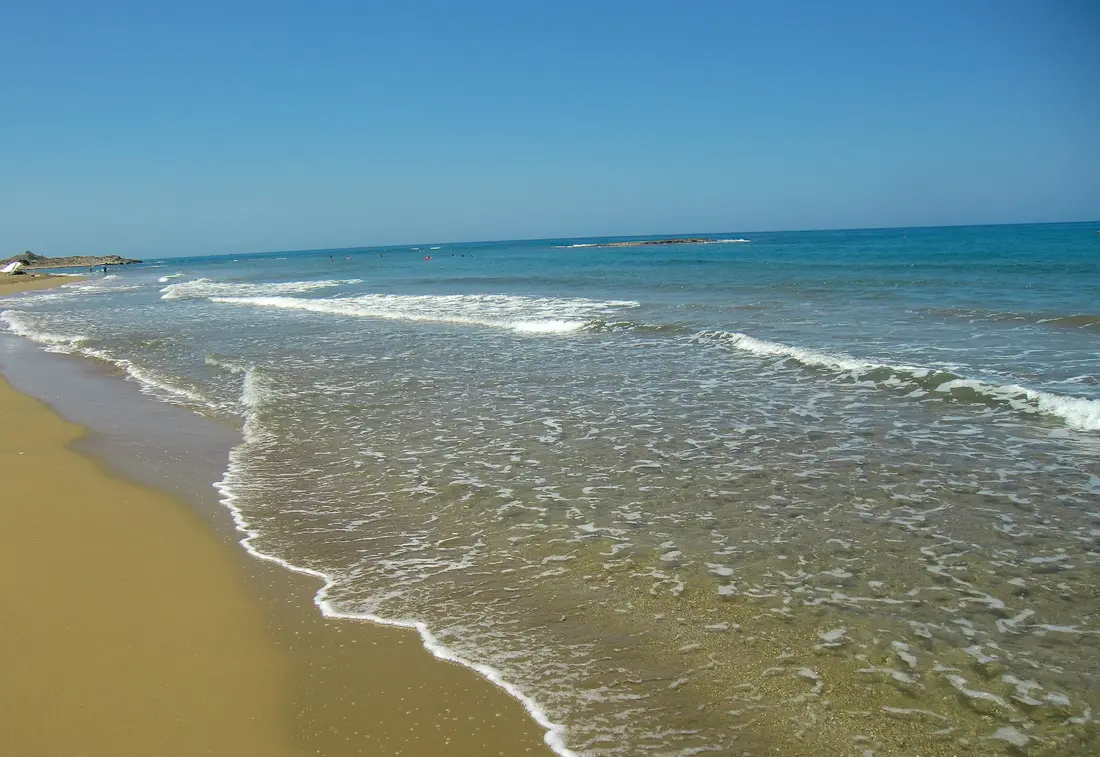
Waves on a quiet sandy beach
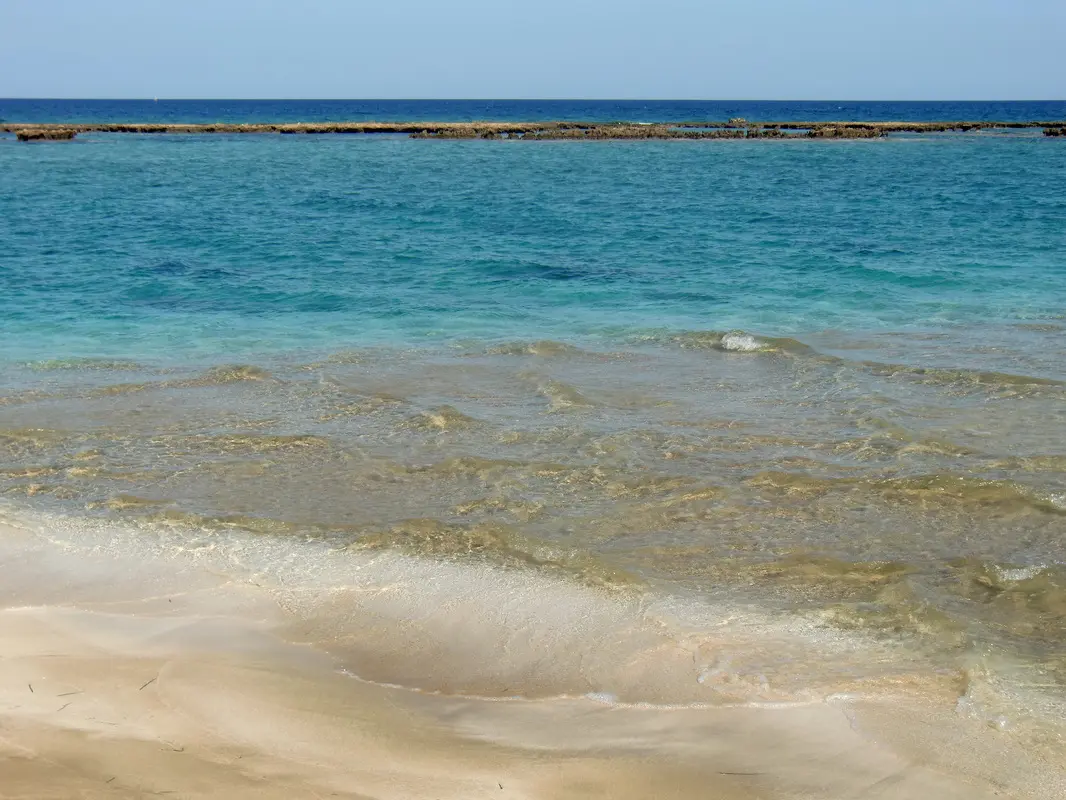
Clear, shallow water at the shoreline
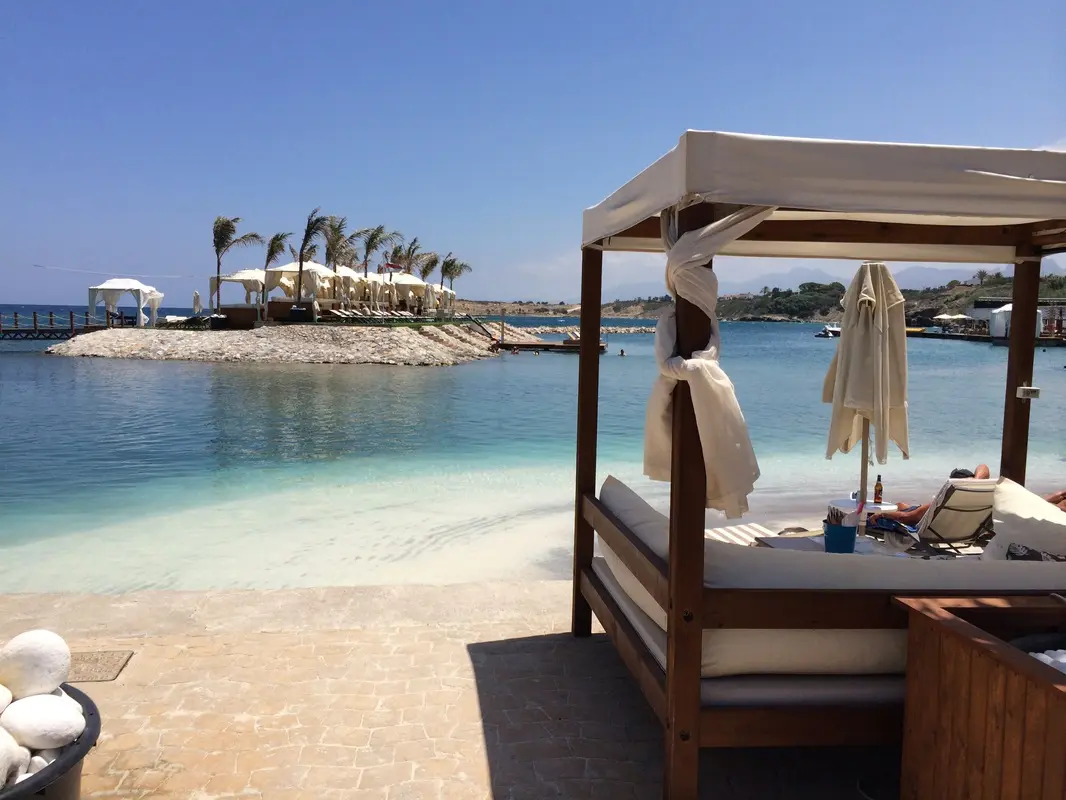
Beach daybed by white sand and calm sea
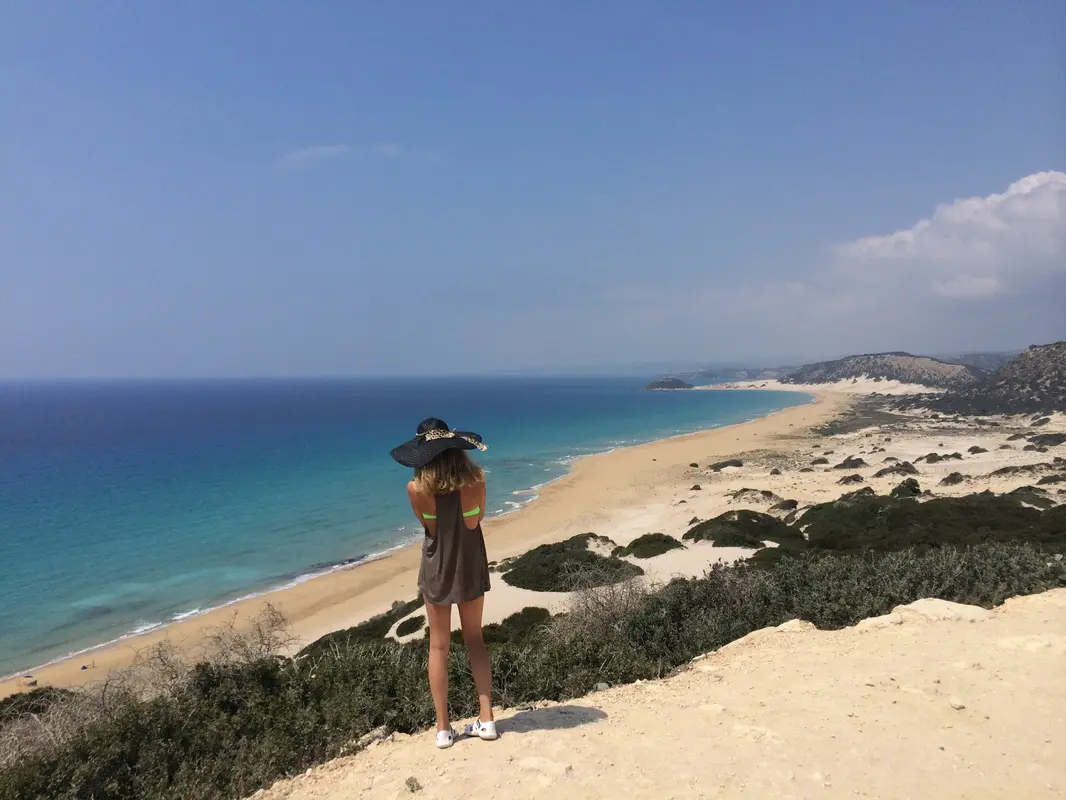
Woman in a hat looking out over a long beach
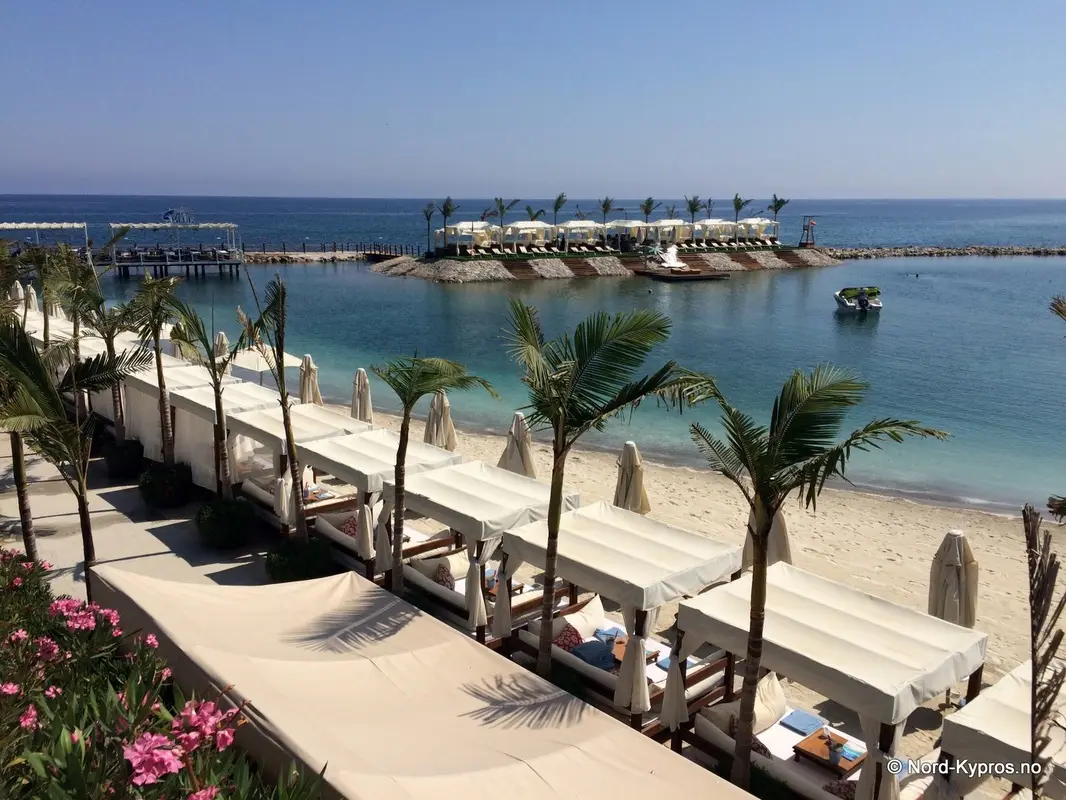
Beach promenade with palms and parasols
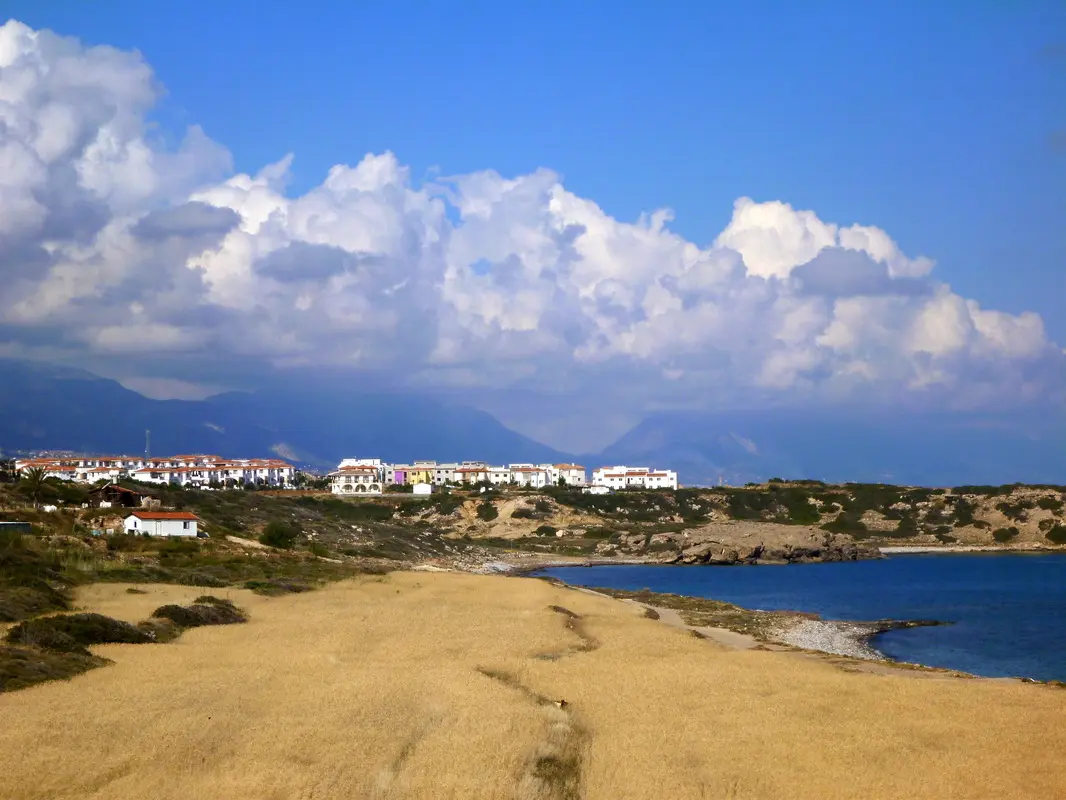
Bay with a sandy beach and mountains behind
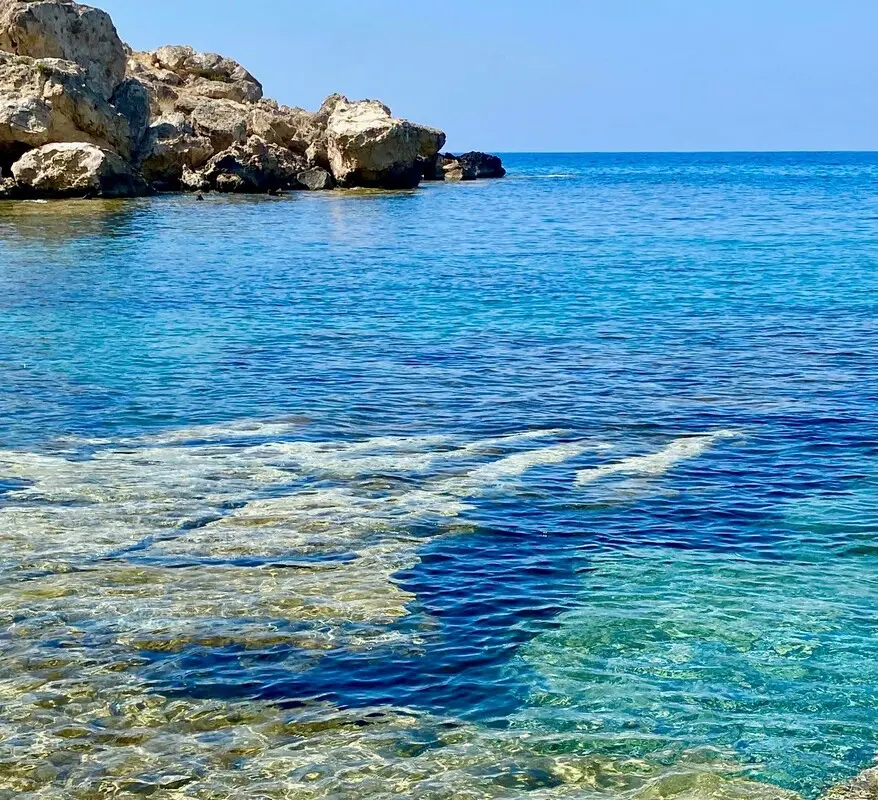
Crystal-clear sea over rocks
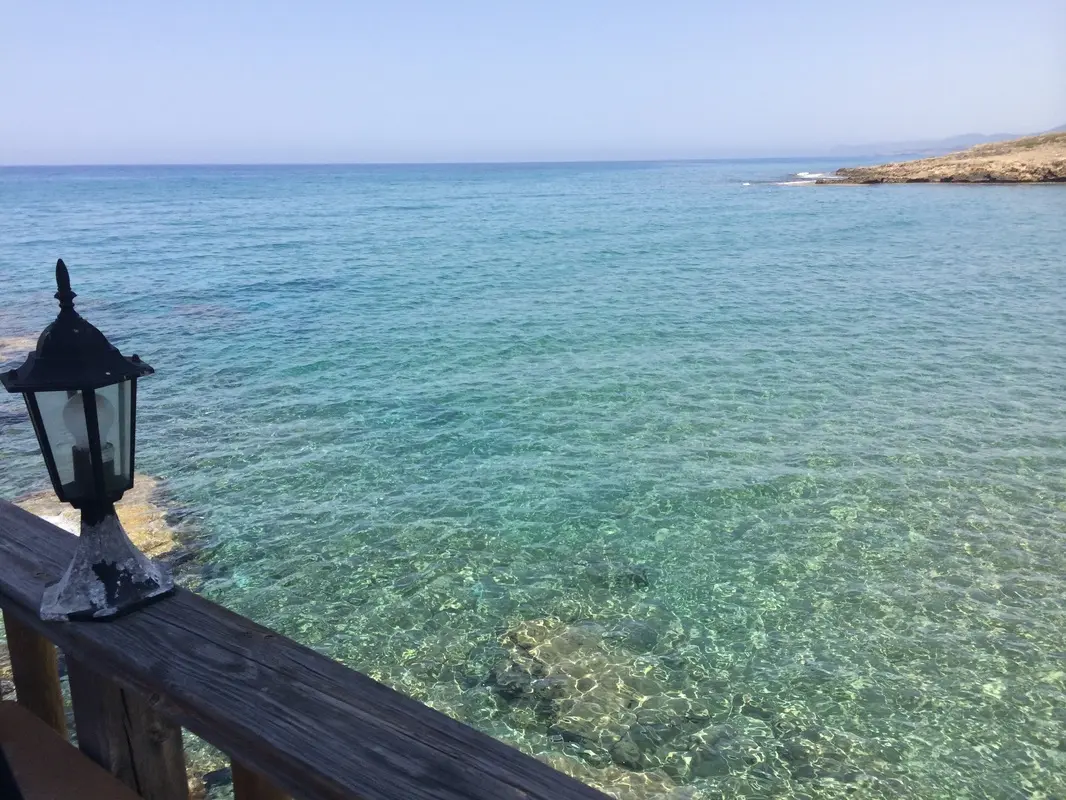
Clear sea seen from a terrace
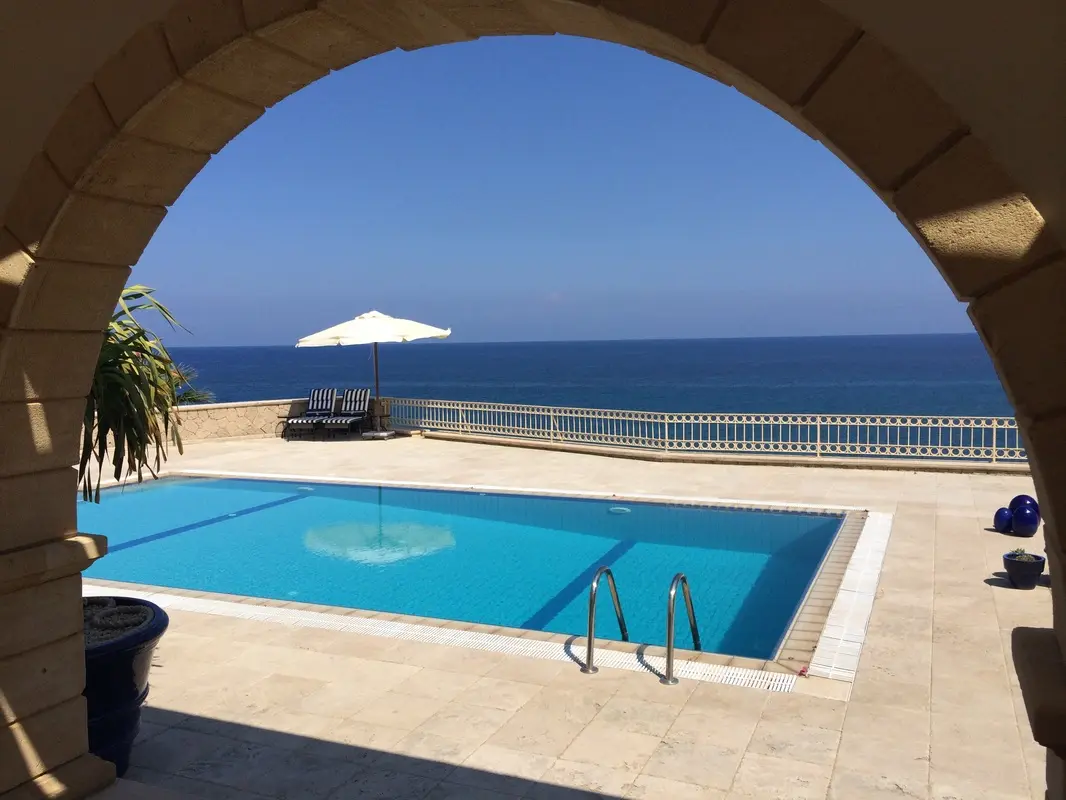
Pool and sea view through a stone arch
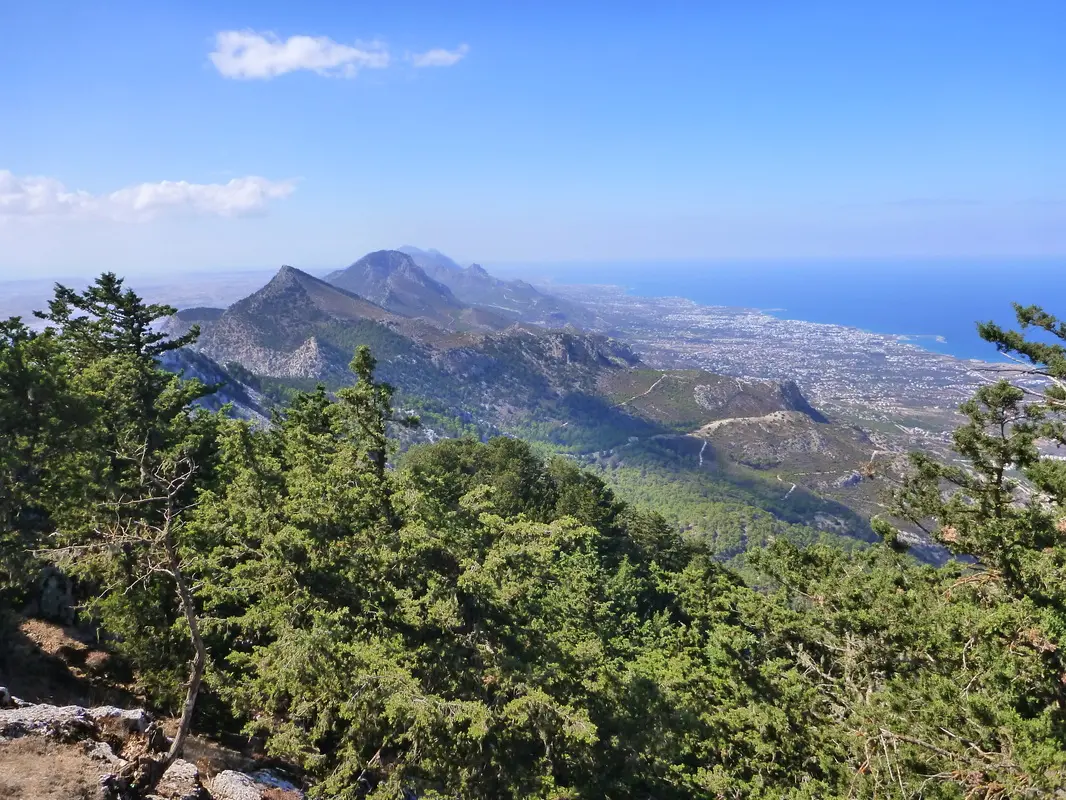
View from the mountain down to the coast
Getting there
Flying to Larnaca (LCA)
Norwegian flies direct from Oslo – three times a week in summer and every Saturday for much of the year – and also has routes from Stockholm and Copenhagen. SAS flies direct from Oslo, and Ving, TUI and Apollo operate direct flights from several Norwegian cities in the summer season (April–October), often with good fares in May and early September; Vitaltour flies direct from Bergen. Wizz Air has a base in Larnaca, and it can also pay to check Austrian via Vienna, Aegean via Athens and Lufthansa – or direct flights from Sweden, London or Copenhagen.
Flying via Istanbul to Ercan (ECN)
Turkish Airlines flies several times a day from Oslo to Istanbul and on to Ercan on Northern Cyprus, with good service and good food on board; the stopover is at Istanbul Airport on the European side. Pegasus, an excellent Turkish low-cost airline, flies from Oslo via Sabiha Gökçen (on the Asian side) to Ercan. If you have time, a few days in Istanbul on the way to or from Northern Cyprus is well worth it.
Package tours
Active Travel Norway and Escape specialise in walking holidays on Northern Cyprus, and Carpe Diem offers a round trip – ideal if you prefer an organised group programme.
Car hire
To experience the sights and beaches you'll need a hire car. Prices are reasonable, and driving on the left is easy to get used to in an automatic. We recommend Bellapais Rent a Car in Çatalköy, Cyprus Pines Rent a Car in Kyrenia and Carrington Rent a Car in Esentepe – all deliver and collect the car where you are staying, and can also arrange taxis from Larnaca and Ercan airports.
Practical information, A–Z
Pharmacies+
Pharmacies are plentiful, and the pharmacists are skilled and speak good English. Many medicines can be bought over the counter at reasonable prices, and pharmacies take turns staying open 24 hours – the duty pharmacies are posted on every pharmacy door.
Area and population+
Cyprus is the third-largest island in the Mediterranean, at 9,251 km², and since 1974 it has been divided into the Republic of Cyprus in the south, an EU member, and Northern Cyprus (TRNC) in the north, with its own president and government. Northern Cyprus covers 3,355 km² and has around 400,000 inhabitants, plus around 100,000 international students; the whole island has around 1.6 million inhabitants. The main towns in the north are Nicosia (Lefkoşa), Famagusta (Gazimağusa) and Kyrenia (Girne).
Banks and ATMs+
There are both large international and smaller local banks with English-speaking staff, who can help you open an account once you own property. It is common to hold accounts in both Turkish lira and British pounds; lira savings accounts can pay high interest but carry a large currency risk. ATMs are everywhere and cards are accepted almost everywhere – don't buy lira before you arrive, as the rate is far better locally. A little cash is handy for tips, museums and taxis.
Car hire+
Cyprus drives on the left, a legacy of the colonial era – hire an automatic and the adjustment is much easier. We have long, good experience with Cyprus Pines Rent a Car, Carrington Car Rental and Bellapais Rent a Car, all of which can also arrange airport pick-ups at fixed prices. For insurance reasons it is not advisable to cross the border in a hire car, and keep to the speed limit – there are plenty of speed cameras.
Buses and dolmuş+
Buses run between the main towns, and dolmuşes – shared minibus taxis that leave when they fill up and pick up passengers along the road – serve the villages. Timetables are only a rough guide, but fares are low. From the Esentepe area, for example, you can take a bus to Kyrenia and change there for Nicosia or Famagusta.
Shopping+
Local markets and small shops are well worth visiting. Kyrenia, Nicosia and Famagusta also have fashion boutiques, sports shops, furniture and interior stores, jewellers and opticians, and Famagusta is home to the City Mall shopping centre. There is also a shopping centre near Ercan airport.
Towns+
Nicosia (Lefkoşa) is the largest city and financial centre, with around 315,000 inhabitants across north and south. Famagusta (Gazimağusa) is a university town with many historic buildings (approx. 70,000 inhabitants), and Kyrenia (Girne), on the north side of the mountains, is known for its beautiful harbour (approx. 60,000 inhabitants). With all the international students, the actual population of Famagusta and Kyrenia is considerably higher.
Electricity+
The supply is 220–240 V / 50 Hz, and sockets are the British three-pin type, so you'll need an adapter. Adapters are inexpensive and sold in every supermarket.
Ferries+
Car ferries run from Kyrenia to Mersin in Turkey, and in high season there is a fast boat from Kyrenia to Alanya.
Airports+
Larnaca (LCA) is the main airport in the south, with many direct flights from Scandinavia, and is just over an hour by taxi from most places on Northern Cyprus; from Paphos the transfer takes 2.5–3 hours. Ercan (ECN) is the main airport on Northern Cyprus, half an hour from Kyrenia, with flights via Istanbul and other Turkish airports – for Oslo, Turkish Airlines and Pegasus are the best options.
Insurance+
Home contents insurance is usually arranged through the developer or your lawyer. There are several insurers to choose from, the price depends on the size and standard of the home, and costs are considerably lower than in Norway. Always have travel insurance.
Churches and religion+
Most Turkish Cypriots are Muslim, but practice is secular, with a relaxed attitude to mosque visits, fasting, alcohol and dress. There are also many churches: St Andrew's in central Kyrenia holds Anglican services every Sunday and Thursday, and Greek Orthodox services are held on the Karpaz peninsula.
Pets+
Pets must be vaccinated against rabies and have a veterinary certificate; if vaccinations or certificates are missing, a 28-day quarantine on arrival is usual. It is best to fly via Istanbul with Turkish Airlines or Pegasus – and on the way home you must, as you cannot cross into the south with animals.
Climate and weather+
Northern Cyprus averages 320 sunny days a year, with dry, hot summers and mild, wetter winters; December is the wettest month (average 92 mm). July and August are the hottest, June, September and October bring 25–30 °C, and April, May and November feel like a Norwegian summer – with a lovely warm sea.
Crime+
Crime is very low, and Northern Cyprus is considered one of the safest places to stay in Europe. The police are highly visible on the roads and are courteous and helpful; call 155 for the nearest police station.
Doctors and hospitals+
The largest hospital, The Central State Hospital, is outside Nicosia, and there are smaller state hospitals in towns and villages. There is a wide choice of private clinics and hospitals with modern equipment, and high-quality operations cost little compared with Norway. Kyrenia University Hospital, just east of Kyrenia, offers among other things a full health check at a reasonable price, and there are many IVF clinics.
Cost of living+
Living on Northern Cyprus is inexpensive compared with Norway – you can still get a three-course lunch or dinner with wine or beer for a few hundred kroner. Local produce is cheap, while imported goods can approach Norwegian price levels.
Emergency numbers+
Ambulance 112, fire 199, forest fire 177, police 155. Kyrenia hospital: 815 2266. Nicosia hospital: 228 5441.
Restaurants+
There is a wide choice of excellent restaurants. The cuisine reflects everyone who has ruled Cyprus over thousands of years, and you'll find food from all over the world – including many good fish restaurants and Indian restaurants.
Schools and universities+
Northern Cyprus has several respected international schools, including the English School in Kyrenia/Bellapais for primary and secondary pupils. No fewer than 22 international universities have over 100,000 students from 70–80 nations, and with 255 departments and more than 4,500 teachers and professors they are also major employers.
Language+
Turkish Cypriots speak Turkish as their mother tongue, but most also speak good English – Cyprus was a British colony until independence in 1960.
Dentists+
Dentists and orthodontists are found all over Northern Cyprus. Equipment is of a high standard, and prices are far lower than in Norway.
Time zone+
Northern Cyprus is one hour ahead of Norway all year round. In winter Turkey is two hours ahead of Norway – one hour ahead of Northern Cyprus – which is worth remembering if you change planes in Istanbul.
Currency+
The currency is the Turkish lira, but you can also withdraw pounds and euros from ATMs, and cards are accepted almost everywhere. Property is priced in British pounds, as are hire cars and airport taxis (converted at the day's rate).
Visas and border crossings+
The border between south and north has been open since 2003, and you can cross freely at 9 checkpoints, usually in a few minutes; EU/EEA citizens only need a valid passport. On arrival you are automatically granted a 30-day stay, and with a property or rental contract you can stay up to 90 days within any 180-day period; longer stays require temporary residence. Your passport must be valid for at least six months after your return home.
Northern Cyprus on film
The official tourism film from 2020.
Call me for a friendly chat about homes
Gunn Eidhamar · Green Tools AS
